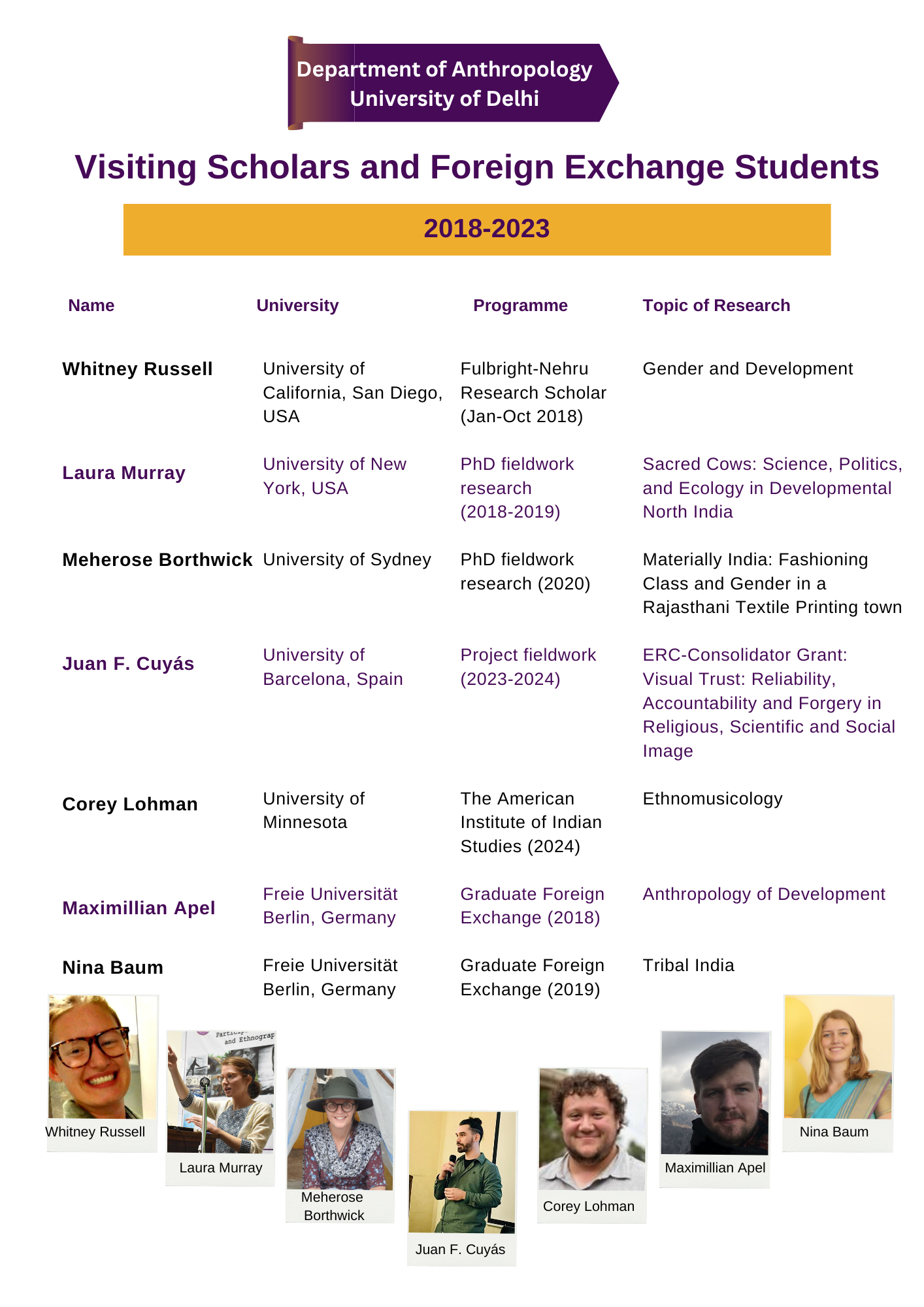
Visiting Scholars/Students


The Department of Anthropology has seats for foreign students for pursuing Master's degree in Anthropology, and Forensic Science, and Ph.D. in Anthropology as per University rules. Foreign students who are interested in pursuing higher studies in Department of Anthropology, University of Delhi may register themselves through Foreign Students'Registry portal. Foreign students who wish to study in Department of Anthropology under International Exchange Programme may apply directly to office of Dean, International Relations, University of Delhi.

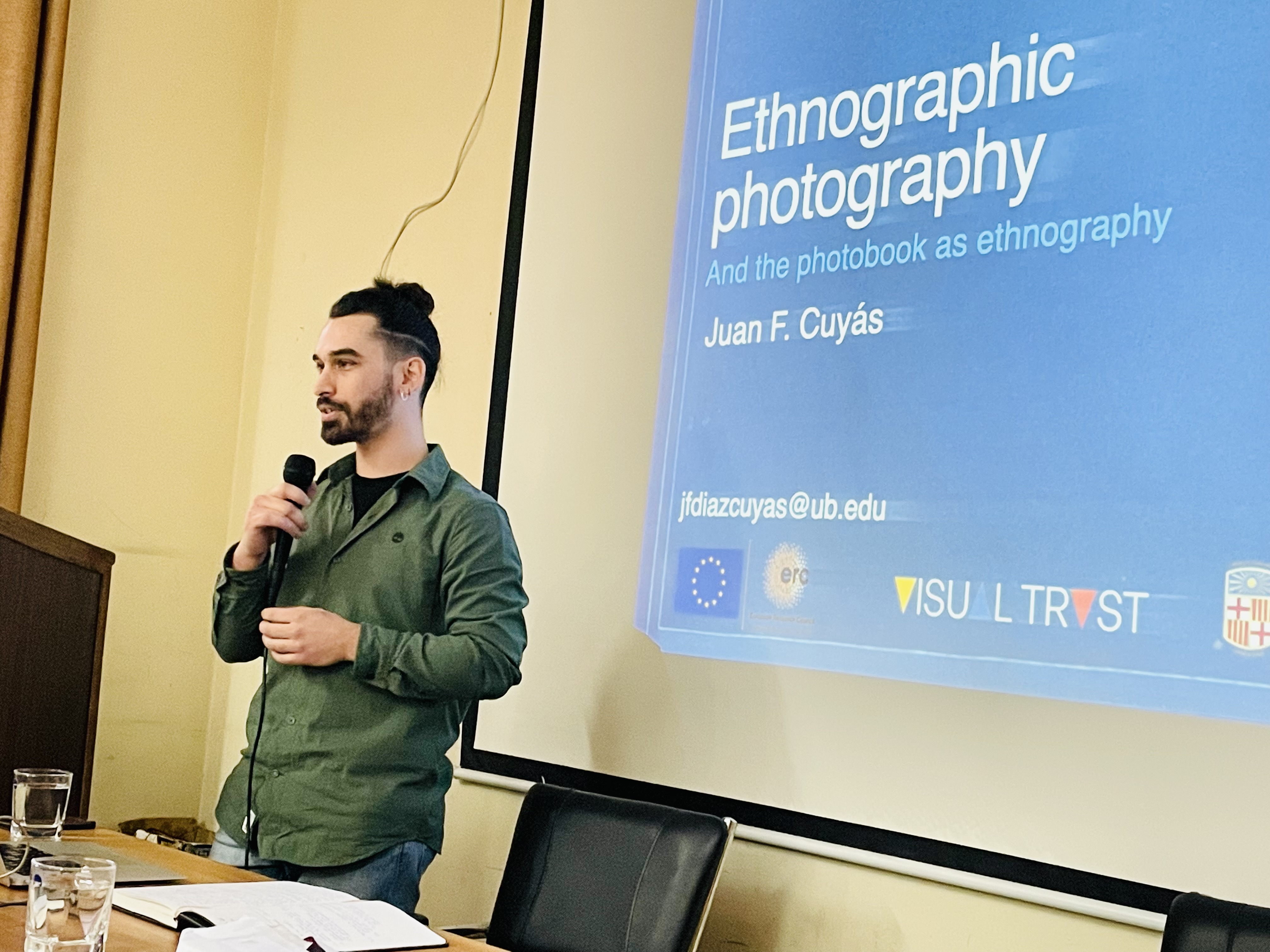
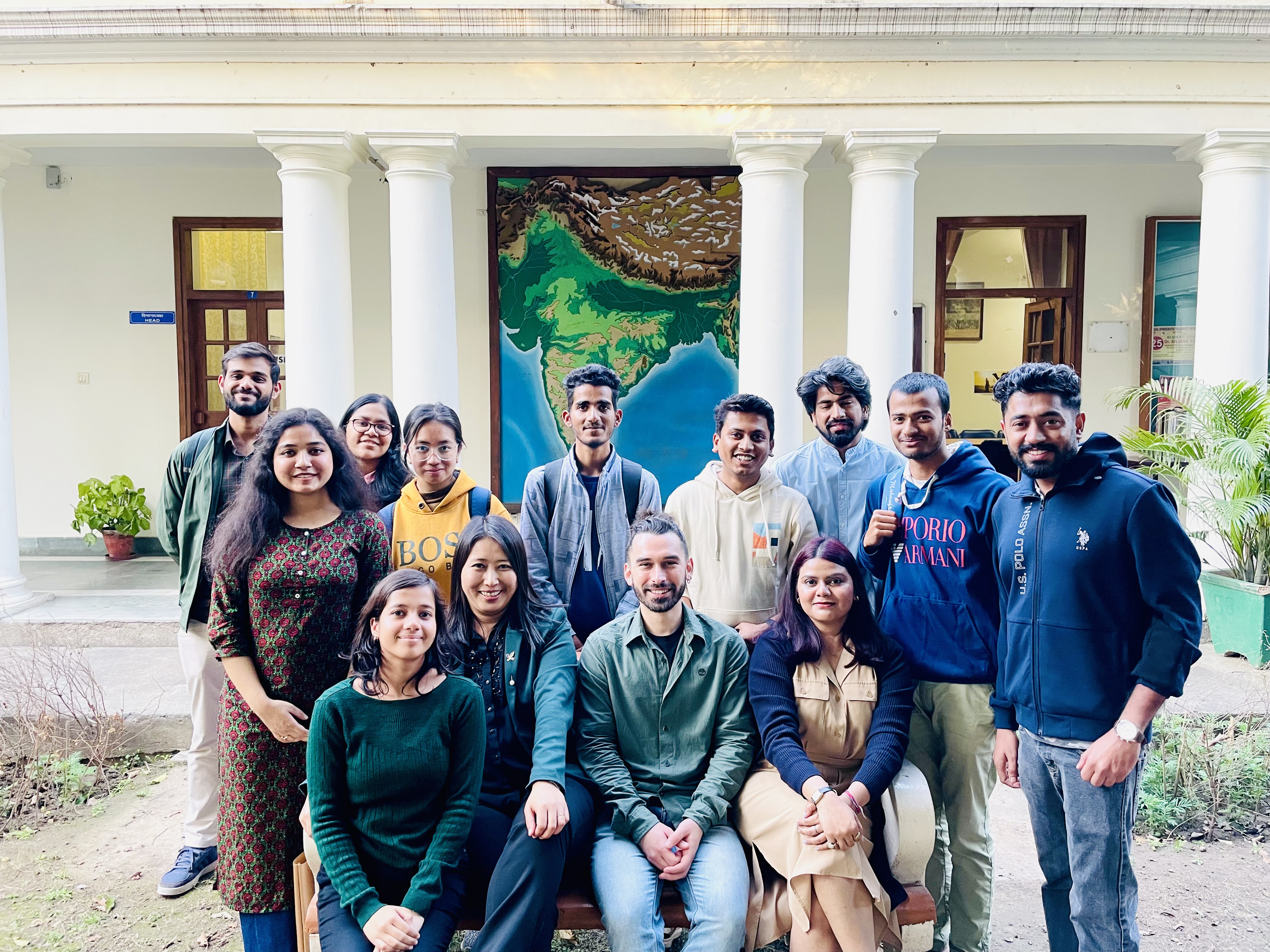
Juan Francisco Díaz Cuyás, a PhD Candidate from Departament d'Antropologia Social, Universitat de Barcelona was affiliated to the Department of Anthropology, University of Delhi, with Dr. Avitoli G Zhimo as Indian Academic Supervisor, to carry out fieldwork/research in India for an ERC-Consolidator Grant: Visual Trust: Reliability, accountability and forgery in scientific, religious and social images (2021-2023). The project aims to analyze how people from different social and cultural contexts relate to images of different nature (religious, social, scientific). Through comparative ethnography, it aims to develop a theory of trust in religious images in various contexts in India, Europe, and the Internet. The research question analyzes how trust towards religious images is generated and how believers and artists relate to and through these images. It studied how digital culture adapts to the ritual uses of religious images where technology plays a decisive role. During his time in India, he delivered talks and interacted with students in the department of Anthropology, Universit of Delhi.


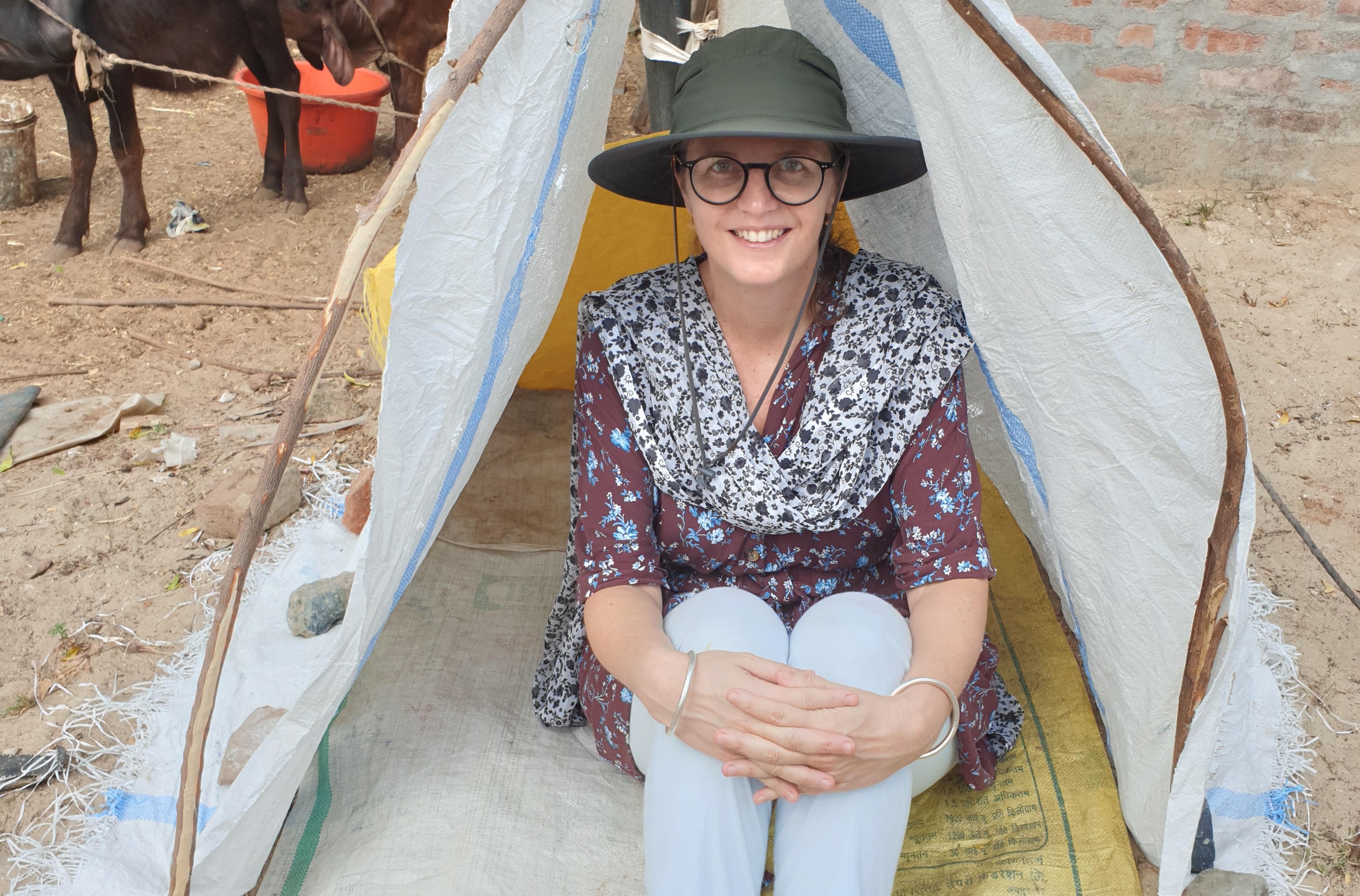
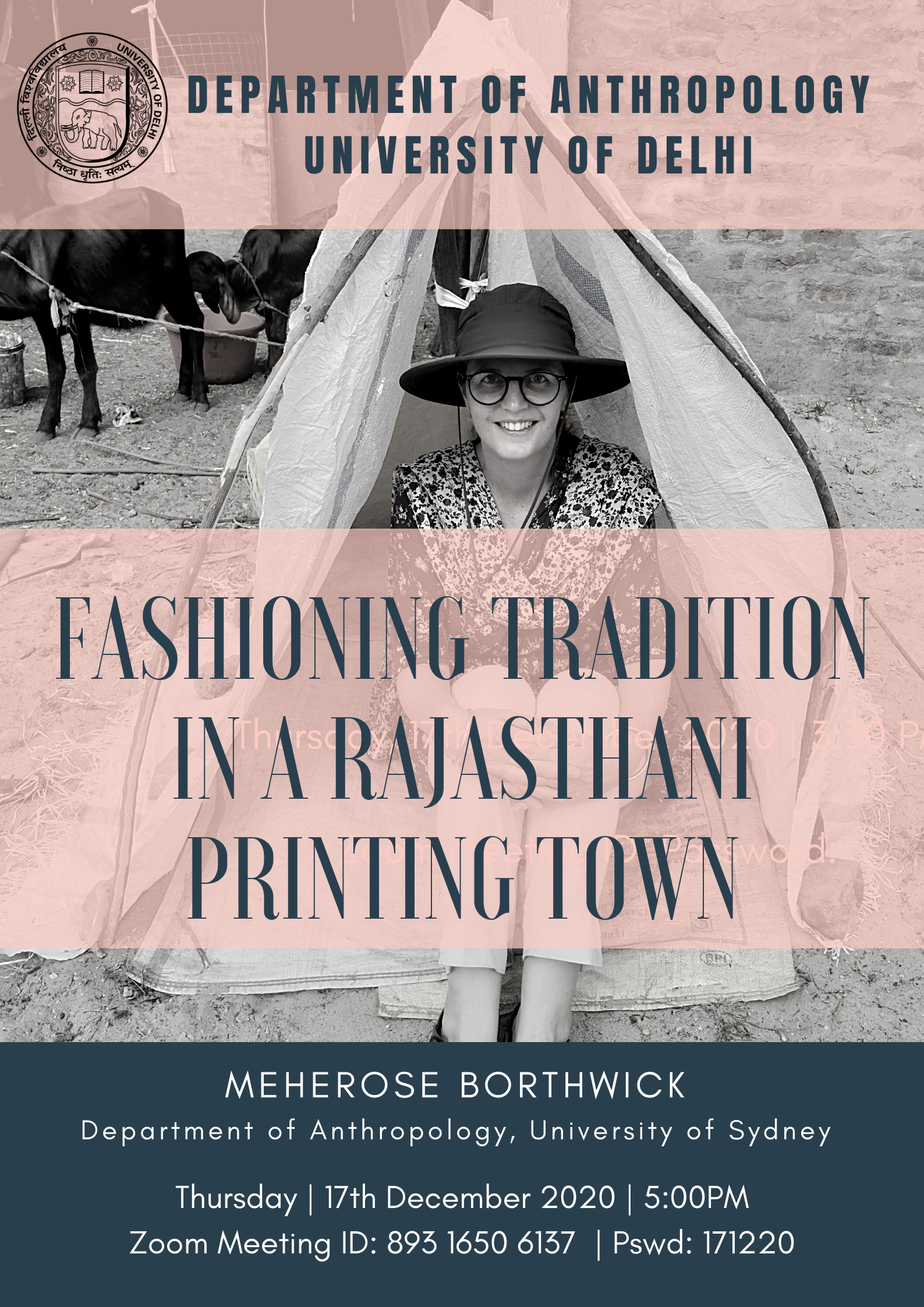
Meherose Borthwick, a PhD student in anthropology at the University of Sydney was affiliated to the Department of Anthropology, University of Delhi during her fieldwork in India under the guidance of Dr. Avitoli G Zhimo (Indian Academic supervisor) from 2019-2022. For her PhD research, she investigated how working-class women in India engage with the global production and consumption of fashion. She conducted fieldwork in the town of Bagru, Rajasthan with female workers in the handblock textile printing workshops located there. The aim of her research is to investigate the experiences, working practices, working conditions and understandings of fashion of women who work in textile production outside of India’s main urban centers. She presented her findings at the end of her fieldwork.


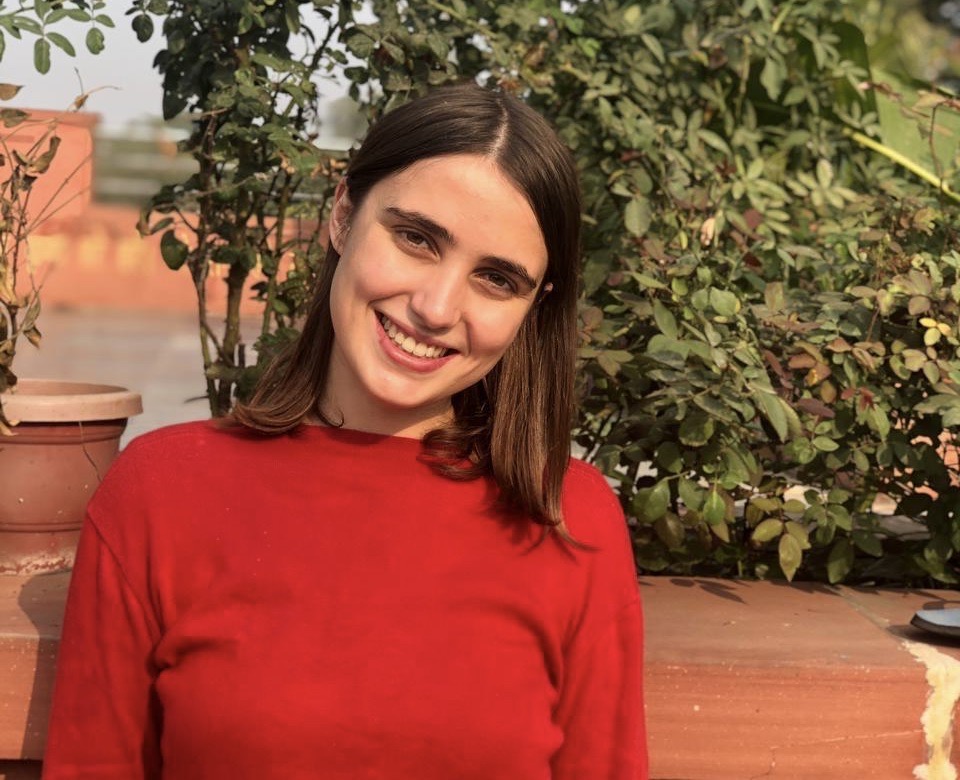
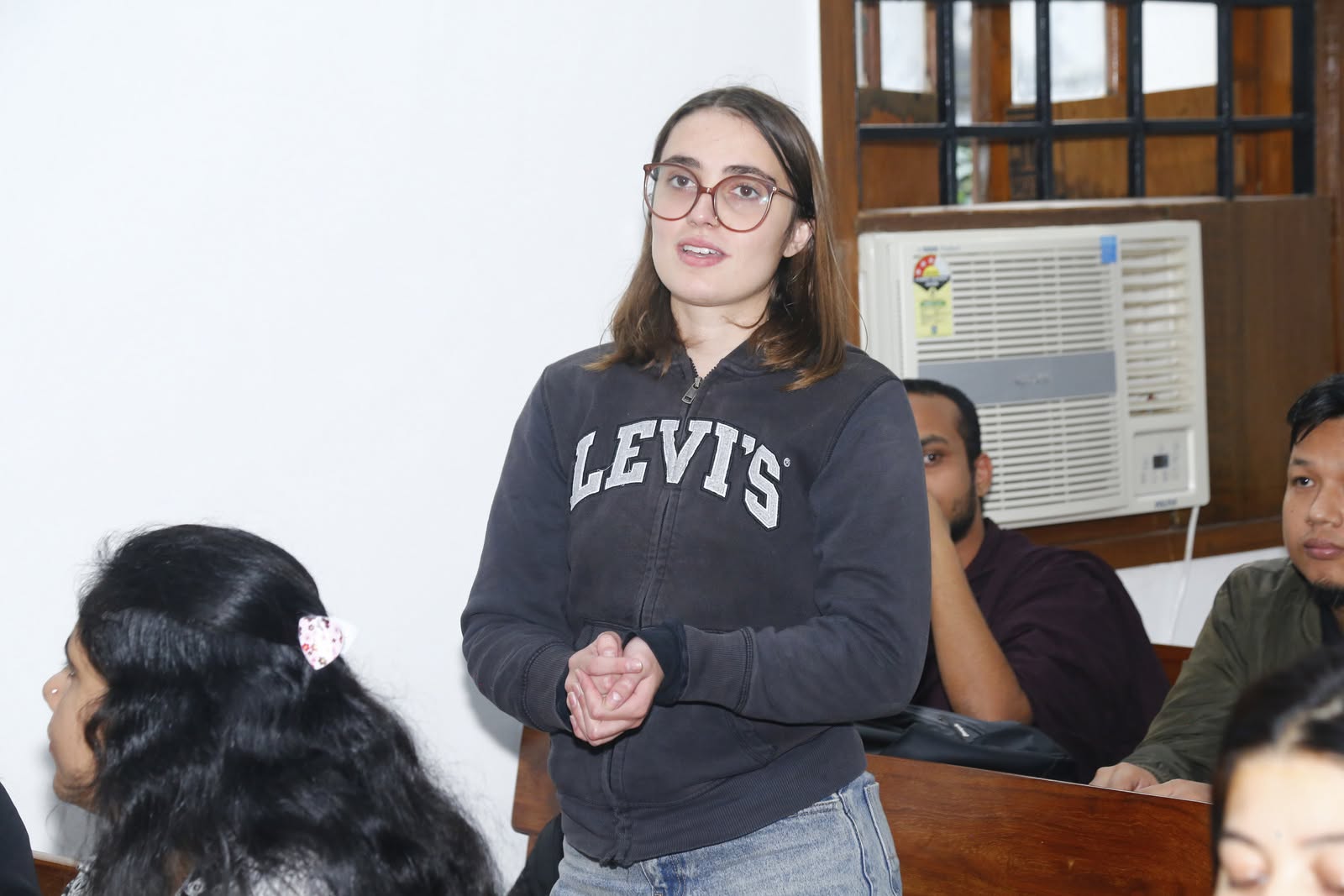
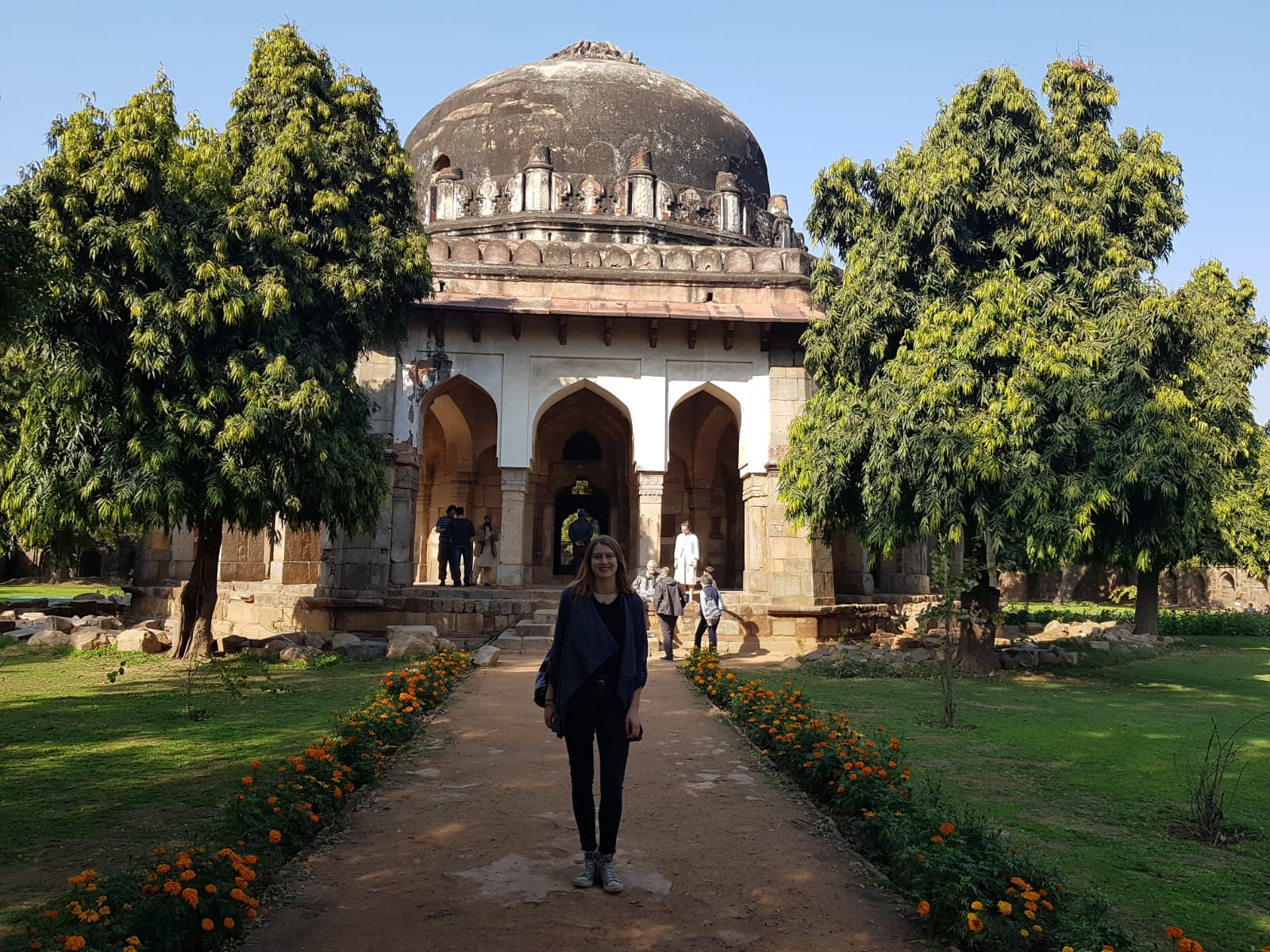
Nina Baum (22) is a Bachelor Student of Social and Cultural Anthropology and Political Science (5th Semester) of Freie Universität Berlin, Berlin, Germany. She is currently studying in Department of Anthropology and Miranda House College under Foreign Student Exchange Programme for one semester (Jan-May 2019). In Department of Anthropology she has opted two papers: Tribal India and Anthropology of Development under the guidance of Dr. Avitoli G. Zhimo. At Miranda House College she has opted the paper “Development Processes and Social Movements of Contemporary India” under the guidance of Dr. Rashmi Gopi.


Laura C. Murray is an ethnographic filmmaker, photographer, and PhD candidate in the Department of Anthropology at New York University. She holds undergraduate and master’s degrees from Columbia University and the University of Toronto, as well as a graduate certificate in Culture and Media from NYU Tisch School of the Arts. Drawing upon multi-sited fieldwork with animal scientists, activists, and rural farmers, Laura’s current doctoral research investigates changing political ecologies of cattle and dairy development in north India.Laura is particularly interested in the ways that such transformations intersect with and interrupt emergent practices of religious, cultural, and national identity. Her research is supported by the Wenner-Gren Foundation for Anthropological Research, the American Institute for Indian Studies, and the Social Sciences and Humanities Research Council of Canada.Her writing and photography has appeared in Visual Anthropology Review, Anthropology Now, and Seminar Magazine. Laura is also the director of the short ethnographic film, Strangers Ourselves (2018), which explores the lives of refugees and refugee activists in her hometown of Ottawa, Canada. Strangers Ourselves is an official selection of the 2018 Margaret Mead Film Festival.For her research in India, she was affiliated to the Department of Anthropology, University of Delhi under the research guidance of Dr. Avitoli G Zhimo for academic session 2018-2019.


Ms. Whitney Russell is a PhD student in cultural anthropology at the University of California, San Diego, where she researches gender and development. Prior to undertaking a PhD, Ms. Russell completed an MA in sociology at Central European University and a BA in social science at the University of Michigan. She is broadly interested in how foreign development paradigms and interventions operate in the everyday lives of people and communities. She has studied this issue at a birth center in Honduras and with activists in Sweden, and is now turning her attention to what happens after these interventions fail or otherwise cease operations.Russell’s research turns a critical eye to the after-lives of failed foreign development in a particular community. She is conducting a collaborative ethnography to better understand how development fails people, perhaps cumulatively, and what that might mean for development practice in the future. She is also interested in the ground-breaking legal changes that will move primary development funding away from foreign donors and toward private Indian companies, seeing this as a unique opportunity to reconsider the challenges of development and everything that is at stake. Ms. Russell was affiliated to department of Anthropology (Indian Academic Supervisor- Dr. Avitoli G Zhimo) for ten months (January to October 2018)


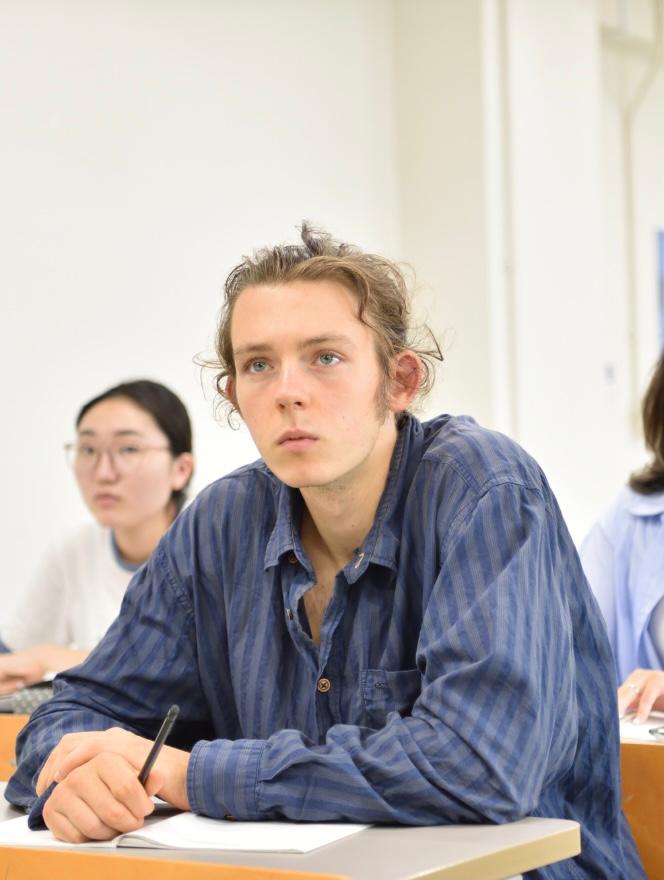
Maximilian Apel (23) is a Bachelor Student of Social and Cultural Anthropology (5th Semester) of Freie Universität Berlin, Berlin, Germany. He is currently studying in Department of Anthropology under Foreign Student Exchange Programme. He has opted three papers: Urban Anthropology, Tribal India, and Anthropology of Development under the guidance of Dr. Avitoli G. Zhimo
  
Mr. Apel, on his experience of studying in University of Delhi.
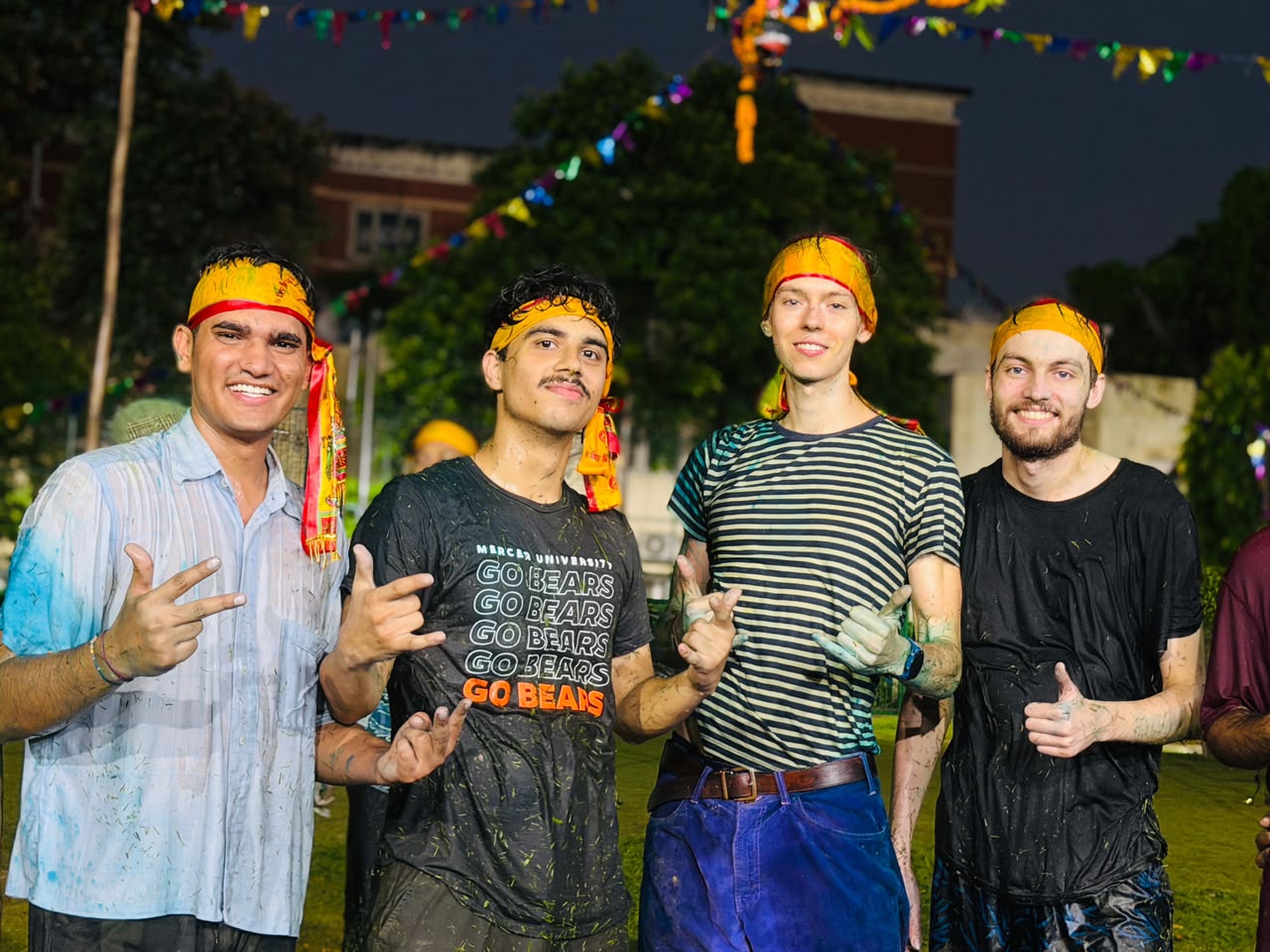
After six months my semester at the Department of Anthropology is coming to an end. A good occasion to review my stay in Delhi. I remember the first week of being one of the hardest. After I arrived in the International Student’s House I had to cope with new traffic and weather conditions. Generally, a new life style. In the first months I had to adapt to a lot of things. I learned how to call a E-Rickshaw, how to bargain and how to cross a busy road.
After I settled in, University started. Besides some difficulties with the enrolment process I was very motivated to learn about the Indian approach to Social and Cultural Anthropology. Arrived at the department I noticed that the Department of Anthropology has not only a focus on Social Anthropology. Taking a walk through the classrooms I noticed that also fields like archaeology or forensic anthropology are taught. That was also the day when I met my guidance counsellor Dr. Avitoli G Zhimo. At this point I would really like to thank her for the warmly and open welcome. She helped me to choose the courses for this semester. With her guidance I decided to take three seminars: Urban Anthropology, Tribal India and Anthropology of Development. Visiting the classes and discussing problems with my fellow students introduced me to many new thoughts. It also sensitised me towards some problems that are mostly anchored in political, social and cultural life.
The social life on campus allowed me to find friends easily. After classes my friends and me met at the canteen, hang out in parks or undertook some day trips downtown. Summarised I am very thankful for so many experiences.
Most sincerely I must thank the faculty, my fellow students and my friends for making my stay at the University and moreover in India so exciting and formidable
. May 2018.

HOME